


What Are the Different Parts of a Bathtub Called?
Updated October 2026
The main parts of a bathtub are the tub wall, the floor, the faucet and the drain. A walk-in tub adds a door with a seal and latches, a low threshold, a built-in seat, grab bars, a supporting frame on leveling legs, removable panels, and on jetted models a pump, jets and controls. The part people ask about most is the lip at the door, explained in What Is the Step-In Threshold on a Walk-In Tub?, and this page names the rest so you can describe your tub clearly.
The Parts Every Bathtub Shares
A standard bathtub has four parts you see and use.
- The tub wall. This is the side you swing a leg over to get in. On a standard bathtub the wall is 18 to 22 inches high.
- The floor. The surface you stand or sit on.
- The faucet. The fixture that fills the tub.
- The drain. The outlet that empties it.
These names matter when people talk about altering a tub. A tub cut removes part of the tub wall to make a walk-through opening, and the faucet, drain and floor stay exactly as they were. What Is a Tub Cut and How Does It Compare to a Walk-In Tub? shows why changing only the wall is different from a tub whose parts were designed together.
The Shell, the Frame and the Panels
On an Ella walk-in tub the body you bathe in is the shell. It is acrylic and sits on a rustproof stainless steel frame. Under the frame are adjustable leveling legs, which set the height of the tub and keep it level on the bathroom floor. The legs do real work. A leg that loses contact with the floor can warp the frame and throw the door out of alignment, so they are worth knowing by name.
The outside of the tub is finished with panels. The front panel is called the apron, and its panels come off so the equipment behind them can be reached. The panel at the end of the tub is the end panel. Pumps, control boxes and their receptacles must stay reachable through the apron panels or a service opening, and they should never be sealed behind tile. The space behind the panels that holds this equipment is the equipment compartment.
The Door, the Seal and the Threshold
The door is what makes a walk-in tub a walk-in tub. It has three named parts of its own.
- The door. Ella doors come in different shapes. The Transfer family uses a wide L-shape door, some models use an inward-swinging S-shape door, and the U-shape family uses an outward-swinging door.
- The door seal. The door closes on an integrated gasket, which is what keeps the water in.
- The latch mechanism. A multi-latch gear and shaft mechanism pulls the door closed against the gasket.
Below the door opening is the threshold, the low lip you cross as you step in. It is sometimes called the step-over height or step-in height, and on Ella tubs it runs roughly 3.5 to 7 inches depending on the model and how the drain is set up. The threshold height is really the height of the tub floor above the finished bathroom floor. Ella does not offer a lift-up or drop-down door. The door swings open like any other door.
The door, seal, frame and threshold are engineered together, and none of them can be added to a standard tub afterward. That is the reason given in Can You Cut an Existing Bathtub Into a Walk-In Shower? for why Ella builds complete tubs only.
The Seat, Grab Bars, Faucet and Drains
Inside the tub you will find the parts the bather touches.
- The seat. A walk-in tub has a built-in seat at a comfortable height, so the bather sits instead of lowering down to the floor of the tub. An optional heated seat and backrest is available.
- Grab bars. The bars you hold for support.
- The faucet. Ella faucets include a two-piece high-flow faucet, a five-piece high-flow faucet and a faucet with a thermostatic control valve, called the TCV. The video on this page explains that each tub is drilled for whichever faucet was selected for that order.
- The drains and overflow. Ella walk-in tubs use gravity drains. The Ella Standard, for example, has one 2-inch gravity floor drain with an overflow and an emergency pull-up chain. The door and the drains are on opposite sides of an Ella walk-in tub, so a right-side door tub has its drains on the left.
The Therapy and Electrical Parts
A jetted tub has a second set of parts that a soaking tub does not. The National Electrical Code calls a jetted tub a hydromassage bathtub, defined as a permanently installed bathtub with a recirculating piping system, pump and associated equipment. In plain terms those parts are:
- The jets. The fittings in the shell that deliver the massage.
- The hydro pump. It circulates the bath water through the piping to the jets.
- The blower. The motor for an air massage system.
- The in-line heater. It works with the hydro pump on models such as the Ella Standard.
- The controls and control box. The push or digital controls on the tub and the box behind the panel that they operate.
- The cords and receptacles. The labeled cords plug into outlets inside the equipment compartment.
- Optional equipment. An LED chromatherapy light, ozone sterilization and a hydrogen generator are options on tubs ordered with them.
The frame, metal fittings and motors are bonded together and the tub is on a GFCI-protected circuit installed by a licensed electrician. NEC Article 680 and GFCI Dedicated-Circuit Rules Explained for a Walk-In Tub covers what each electrical term means.
The Serial Label, and Naming a Part When You Need One
One small part helps with every other part: the serial label. It is on a label behind the magnetic access panel next to the door, and it identifies the model and the build. Two tubs of the same model can leave the building with different faucets and different features, so the name of the model alone does not tell you which parts your tub has. If the tub was bought by someone else, Can Ella Look Up My Tub's Options If Someone Else Bought It? explains how the original order is found.
When you need help with a part, take a photo of it and of the serial label, note where on the tub the part sits, and contact ellasbubbles.com/support or (800) 480-6850. The Lifetime Limited Warranty names the shell, frame, door, door seal and finish along with the supporting equipment such as motors, pumps, fixtures, electronic controls, faucet, waste and overflow, and it covers parts only. Replacement parts ship under the warranty, and a local licensed plumber or electrician does the labor.
Related Guides
- What Are the Acrylic Shell and Stainless Steel Frame on a Walk-In Tub?
- How the Access Panels Attach and What the Suction Cup Tool Is For
- What Is an Access Panel on a Walk-In Tub?
Related Videos
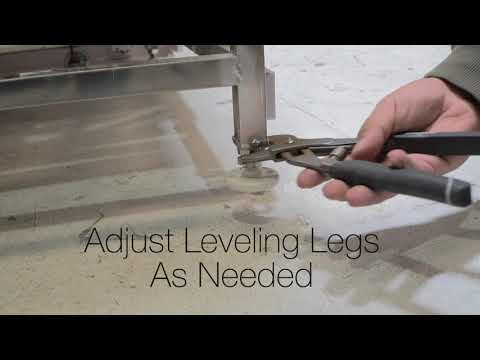
Chapters in this video
- 0:00 Leveling Legs Are Critical Many Ella's Bubbles walk-in tubs have up to eight leveling legs to evenly disperse weight and ensure proper function.
- 0:14 Secure Each Foot The technician checks if each foot is securely on the ground, as an unsealed door could leak.
- 0:28 Check Tub Levels The technician checks levels on all sides of the tub to ensure all feet sit securely on the floor.
- 0:41 Proper Door Alignment Proper leveling assures correct door alignment and closure for your walk-in tub.


Chapters in this video
- 0:00 Reversible End Panel Included Every Ella walk-in tub includes one reversible end panel that can be placed on either side of the tub.
- 0:36 Extension Panel for Tubs Ella walk-in tubs under 60 inches long come with an extension panel to fit a standard 60-inch alcove.
- 1:08 Removable Front Apron Ella walk-in tubs feature a removable front apron with access panels for plumbing and component service.
- 1:30 Removing Panels Before Moving All removable panels must be taken off before the walk-in tub is moved into the house and bathroom.
Common Questions
What is the lip at the bottom of a walk-in tub door called?
What is the front panel of a bathtub called?
What holds a walk-in tub up off the floor?
What keeps water from leaking past the door?
Where is the serial number on an Ella walk-in tub?
Which parts does a jetted tub have that a soaking tub does not?
About this guide. Answers in the Ella’s Bubbles Support Center are compiled from real conversations with tub owners, our technicians’ notes and the product documentation, then reviewed by our team. Tub models and options have evolved over the years, so a detail here may differ slightly from your exact tub. If something looks different on yours, send us your serial number and a specialist will confirm it for your model.
Did this solve your question?
If not, open a ticket and our team will pick it up from here.
Open a Support Ticket Videos