


Do walk-in bathtubs leak around the door or anywhere else?
Updated October 2026
A level, correctly installed Ella walk-in tub does not leak at the door. Every Ella door, inward swing or outward swing, closes against a soft silicone gasket that compresses into a watertight seal when the door is latched, and your installer confirms that seal with a 20 minute fill as part of the warranty activation checklist, as explained in What Is the Door Seal on a Walk-In Tub?. When water does appear later in the tub's life, the gasket is rarely the cause: the usual reasons are a tub that is no longer level, a plumbing union under the deck, a screw or hinge bolt that needs resealing, or spray from the hand shower.
How the Door Is Sealed
The door seal, also called the door gasket, is the soft silicone strip around the door opening. When you close and lock the door, the latch draws it evenly into the frame and the silicone compresses the same amount all the way around. On an inward-swing door the water helps, because it presses the door into the seal as the tub fills, which is also why an inward door will not open until the tub has drained. The outward-swing family uses a 3-latch gear and shaft mechanism to pull the door tight against the same kind of gasket. New seals sometimes arrive stuck or slightly flattened from shipping; that is normal, and squeezing the seal with your fingertips and pulling it away from the door frame restores its shape before a wipe with rubbing alcohol.
The seal needs two things from you: a clean surface to press against, and a rest when the tub is idle. Leave the door open or unlocked whenever the tub is not in use, clean the seal with a soft cloth and rubbing alcohol rather than abrasives, and never lean on the door or use it as a handhold.
Leveling Is the Number One Cause of Water at the Door
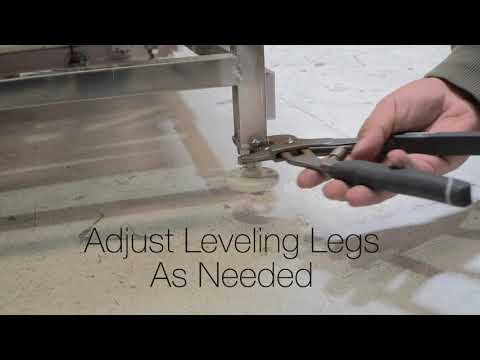
If you see water at the door, do not assume the seal has failed. The most common reason is a tub that is no longer level. Every leveling leg must touch the floor and carry equal weight; a leg that has lost contact lets the frame warp, and the door no longer meets the seal evenly. That is corrected at the leveling legs, not with a new gasket. The frame matters here. Ella's frame is made entirely of stainless steel, and the video below shows the amount of material under the shell and contrasts it with a steel square-tube frame and with a hardware-store tub that ships with torsion bars so the installer can change the size of the door opening to adjust leaks out, which the presenter describes as a question of when, not if. Gelcoat vs Acrylic Walk-In Tub: Which Material Holds Up Better? describes how the acrylic shell, its gel-coated fiberglass backing and the stainless steel frame are bonded into a single structure, which is what keeps the door opening true once the tub is level.
Where Else Water Can Come from
Most water that an owner finds on the floor is not coming past the gasket at all. These are the other places to check, roughly in the order the team asks about them:
- Plumbing unions. The pre-installation water test has your installer fill the tub and let it stand 30 minutes, then run the pumps and heater another 30 minutes while inspecting the unions around the pump and heater. A union that weeps is cured by reseating its O-ring.
- Door handle screws. Water weeping at or just below the handle while the rest of the door edge stays dry is a sealing problem at the screw holes. Water Leaking From the Door Handle Screws explains why the screws are resealed with silicone and tested before a new door seal is ordered.
- Hinge bolts. If the hinge area still leaks after the hinges have been reset, water is getting in behind the plate at the bottom hinge and along its bolts. Door Still Leaks at the Hinge After Resetting the Hinges covers sliding the door off and resealing behind the plate.
- Hand shower spray. Water on the floor after using the hand shower is usually spray rather than a leak. Keep the hand shower below deck height and aimed at the tub wall.
Because a drip at the door can run down inside the apron, it sometimes shows up as a wet floor or as water reaching the room below rather than at the door itself, so treat any new moisture promptly and look at all four spots before deciding where it started.
How a Leak Is Handled Under the Warranty
The shell, frame, door and door seal are covered by Ella's Lifetime Limited Warranty, and the door seal has no scheduled replacement interval. When a seal, hinge or latch is needed, the team ships the part after a support ticket with your serial number and clear photos of the seal and the leak point. The serial number is on the label behind the magnetic access panel next to the door; How Do I Find My Walk-In Tub's Model Number and Installed Options? shows where to look and which number is which. Ella does not send technicians. A local licensed plumber does the work, and Ella's technical support answers that person's questions by phone, email or video. One caution for owners: the warranty on the door and seal depends on the alignment staying as it was set at installation and not being changed by a bather's weight on the door. Before you open a ticket, note whether all leveling legs touch the floor, then reach the team at ellasbubbles.com/support or (800) 480-6850.

Chapters in this video
- 0:00 Ella's Bubbles Stainless Steel Frame The video introduces the Ella's Bubbles walk-in tub frame, which is made entirely of polished stainless steel.
- 0:44 Competitor Steel Frame Tubs The video shows a competitor's walk-in tub with a basic steel frame and torsion bars for door leak adjustments.
- 1:48 Competitor Aluminum Frame Tubs The video displays another competitor's walk-in tub with an aluminum frame, also featuring torsion bars to adjust for leaks.
- 2:32 Ella's Bubbles No Torsion Bars The video reveals the Ella's Bubbles walk-in tub without its panels, showing no torsion bars or adjustments for door leaks.
Watch: Walk-In Tub With Rustproof Frame for Extended Lifespan, Voted Best/Safest 2020 | Ella’s Bubbles with chapters and a full transcript.
Related Guides
- Door seal or gasket looks worn, loose, or leaks: care, repair, and replacement
- Water at the Door: What to Check First and Why You Should Never Lean on the Door
- Adjusting the Door Handle Lock Nut, and Why the Hinges Are Not the Fix for a Door That Is Hard to Close
Related Videos
Chapters in this video
- 0:00 Leveling Legs Are Critical Many Ella's Bubbles walk-in tubs have up to eight leveling legs to evenly disperse weight and ensure proper function.
- 0:14 Secure Each Foot The technician checks if each foot is securely on the ground, as an unsealed door could leak.
- 0:28 Check Tub Levels The technician checks levels on all sides of the tub to ensure all feet sit securely on the floor.
- 0:41 Proper Door Alignment Proper leveling assures correct door alignment and closure for your walk-in tub.

Chapters in this video
- 0:00 Clean Your Door Seal Regularly The video explains how to clean the door seal and frame to prevent leaks and debris buildup.
- 0:38 Replacing a Loose Door Seal The video demonstrates how to replace a loose or damaged door seal by applying a thin bead of silicone to the gasket channel.
- 1:02 Adding Silicone to Inward Doors The video shows how to add a bead of silicone to the corner of the gasket where it meets the frame on inward swing doors.
- 1:23 Extend Gasket Life The video recommends leaving the walk-in tub door slightly open when not in use to extend the gasket's flexibility and life.

Chapters in this video
- 0:00 Door Rubbing the Jamb The video explains that a door rubbing the jamb indicates the tub is bowed down.
- 0:33 Ensuring Tub is Level Ella's Bubbles tubs have at least six leveling legs that must be solidly on the ground to prevent leaks.
- 0:47 Making Final Adjustments Each leg is adjusted to rest firmly on the floor, and careful measurements are taken to achieve a level tub.
Common Questions
Do walk-in tub door seals wear out and start leaking over time?
Do inward-swing or outward-swing doors leak less than the other?
Why is the bathroom floor wet after I use the hand shower?
Does Ella send someone out to fix a leaking door?
Can I adjust the door myself to stop a leak?
About this guide. Answers in the Ella’s Bubbles Support Center are compiled from real conversations with tub owners, our technicians’ notes and the product documentation, then reviewed by our team. Tub models and options have evolved over the years, so a detail here may differ slightly from your exact tub. If something looks different on yours, send us your serial number and a specialist will confirm it for your model.
Did this solve your question?
If not, open a ticket and our team will pick it up from here.
Open a Support Ticket Videos