


Blog
Walk-In Tub vs Regular Tub: 7 Essential Differences
Deciding between a Walk-In Tub vs Regular Tub is a significant choice for many homeowners, especially those prioritizing safety, accessibility, and comfort. This guide explores the seven essential differences to help you make an informed decision for your Chicago, IL home. Understanding the nuances of a Walk-In Tub vs Regular Tub is crucial for a well-informed decision.
1. Enhanced Accessibility and Safety: The Walk-In Tub vs Regular Tub Difference
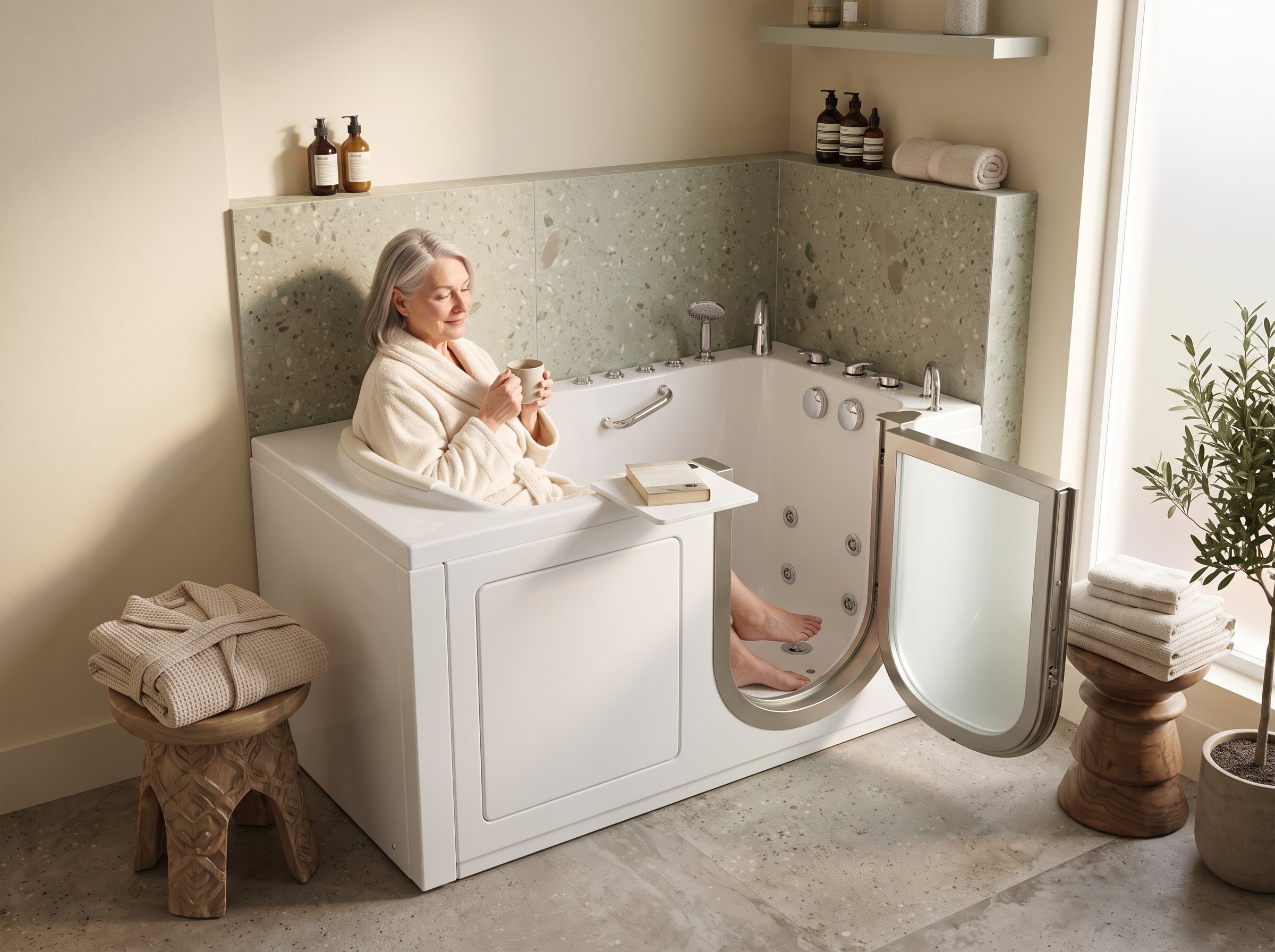
The primary difference lies in accessibility. Walk-In Tubs feature a low-threshold entry door, allowing users to step in and out without lifting their legs over a high tub wall. This significantly reduces the risk of falls, a major concern for seniors and individuals with mobility challenges. Regular tubs, conversely, require stepping over a high barrier, which can be dangerous. According to the CDC, falls are a leading cause of injury among older adults, making the safety features of a Walk-In Tub even more critical.
Beyond the low entry, Walk-In Tubs often include built-in grab bars, an anti-slip floor, and a comfortable, ADA-compliant seat. These features are standard in Walk-In Tubs and are rarely found in traditional bathtubs, making them a safer option for independent bathing. For more on specific safety features, read our post on Safety Features for Walk-In Tubs.
2. Design, Space, and Installation: Walk-In Tub vs Regular Tub Considerations
While both serve the purpose of bathing, their designs differ considerably. Regular tubs come in various standard sizes and shapes, fitting into most bathroom layouts. Walk-In Tubs, however, are designed with a specific focus on functionality and often have a more compact footprint, though larger models are available. The vertical design of many Walk-In Tubs allows them to fit into smaller spaces, making them suitable for retrofitting existing bathrooms. Installation of a Walk-In Tub is generally more complex than a regular tub, often requiring plumbing modifications to accommodate larger water volumes and specialized drainage systems. This is a key distinction when comparing a Walk-In Tub vs Regular Tub.
3. Water Usage and Efficient Filling/Draining Times for a Walk-In Tub
Due to their deeper design and built-in seating, Walk-In Tubs typically hold more water than regular tubs. This can lead to longer filling and draining times. However, many modern Walk-In Tubs come with fast-fill faucets and quick-drain technology to minimize waiting. Regular tubs generally fill and drain faster due to their shallower depth, but they lack the therapeutic depth of a Walk-In Tub. Efficient water management is an important aspect of owning a Walk-In Tub vs Regular Tub.
4. Therapeutic Benefits: Why a Walk-In Tub Excels Over a Regular Tub
Many Walk-In Tubs offer advanced therapeutic features such as hydrotherapy jets, air jets, and chromotherapy lighting. These features provide a spa-like experience, offering relief from muscle pain, arthritis, and stress. The National Institutes of Health recognize hydrotherapy as a beneficial treatment for various conditions. Regular tubs, while relaxing, typically lack these specialized therapeutic options unless they are high-end jetted models. Explore the full benefits in our article on Hydrotherapy Walk-In Tubs. This is a clear advantage of a Walk-In Tub vs Regular Tub for health and wellness.
5. Long-Term Value and Resale Considerations for Your Walk-In Tub
For homeowners planning to age in place or those with family members who have mobility needs, a Walk-In Tub adds significant long-term value by improving home accessibility and safety. While a regular tub is a standard fixture, a Walk-In Tub can be a strong selling point for buyers seeking accessible homes, particularly in senior-friendly communities. This investment enhances quality of life and future-proofs your bathroom, making a Walk-In Tub a smart choice for many.
6. Maintenance and Cleaning for Your Walk-In Tub vs Regular Tub
Both types of tubs require regular cleaning. However, Walk-In Tubs with their jets and specialized features may require additional maintenance to keep the systems clean and functioning optimally. Regular tubs are generally simpler to clean due to their open design and fewer intricate components. Proper maintenance ensures the longevity and hygiene of your Walk-In Tub. Understanding the maintenance differences between a Walk-In Tub vs Regular Tub is important.
7. Cost Comparison: Investing in a Walk-In Tub vs Regular Tub
The initial cost of a Walk-In Tub is generally higher than that of a regular tub, primarily due to advanced features, specialized installation, and the technology involved. However, when considering the long-term benefits of safety, accessibility, and potential therapeutic relief, the investment in a Walk-In Tub often outweighs the upfront cost. Financing options are available to make Walk-In Tubs more accessible. This cost difference is a key factor when deciding on a Walk-In Tub vs Regular Tub.
Why a Walk-In Tub is Ideal for Chicago, IL Residents
For residents of Chicago, IL, a Walk-In Tub offers unparalleled benefits for independent living and enhanced safety. With a focus on accessibility and comfort, these tubs provide a secure bathing experience, reducing the risks associated with traditional bathtubs. Consider a Walk-In Tub for a long-term investment in your home and well-being in the bustling city of Chicago. Make the smart choice for a Walk-In Tub vs Regular Tub today!
Frequently Asked Questions
What is the average cost of a Walk-In Tub?
The cost of a Walk-In Tub varies widely based on features, size, and installation complexity, ranging from $2,500 to $20,000 or more. Basic models are less expensive, while those with advanced hydrotherapy and quick-drain features will be at the higher end.
How long does it take to install a Walk-In Tub?
Installation time for a Walk-In Tub can range from one to three days, depending on the complexity of plumbing modifications and any necessary bathroom renovations. A professional installer can provide a more accurate timeline after an assessment.
Are Walk-In Tubs worth the investment?
For individuals seeking enhanced safety, accessibility, and therapeutic benefits, Walk-In Tubs are often considered a worthwhile investment. They provide peace of mind and promote independent living for seniors and those with mobility challenges.
Can a Walk-In Tub fit in a small bathroom?
Yes, many Walk-In Tubs are designed to fit into smaller bathrooms, including those with standard bathtub footprints. Compact and upright models are available to maximize space efficiency without sacrificing features.
Do Walk-In Tubs use more water?
Generally, Walk-In Tubs do use more water than traditional bathtubs due to their deeper design. However, many models offer efficient heating and quick-drain systems to mitigate excessive water usage and waiting times.
Get Your Free Walk-In Tub Quote Today!
Ready to experience the benefits of a Walk-In Tub in your Chicago, IL home? Contact us today for a free, no-obligation quote. Our experts will help you choose the perfect Walk-In Tub to meet your needs and enhance your bathing experience. Call Now!
 Videos