


Blog
Bathroom Safety Tips: 7 Essential Practices for Home
The bathroom, often considered a sanctuary, can also be one of the most hazardous rooms in any home, especially for seniors and individuals with mobility challenges. Implementing effective Bathroom Safety Tips is crucial to prevent accidents, particularly slips and falls, which are a leading cause of injury. By adopting a few simple yet impactful practices, you can transform your bathroom into a much safer and more secure environment for everyone.
Install Grab Bars: Crucial Support Where It Counts
One of the most effective Bathroom Safety Tips is the strategic installation of grab bars. These essential aids provide vital support and stability when entering or exiting the shower or bathtub, using the toilet, or simply moving around the bathroom. They offer a secure handhold, significantly reducing the risk of losing balance and falling. Grab bars should be professionally installed in key areas, such as inside the shower/tub enclosure, next to the toilet, and near the vanity. Opt for sturdy, well-anchored bars that can support substantial weight and are easily visible, perhaps in a contrasting color to the wall.
Use Non-Slip Mats and Flooring: Prevent Slippery Situations
Wet surfaces are a major culprit in bathroom falls. Combat this by using non-slip bath mats both inside and outside the shower or tub. Ensure these mats have strong suction cups or a rubberized backing to prevent them from sliding. For a more permanent solution, consider non-slip flooring options during a remodel, such as textured tiles or vinyl with a high coefficient of friction. These materials provide enhanced traction, even when wet, making the entire bathroom floor a safer surface to navigate. This is a fundamental aspect of comprehensive bathroom safety.
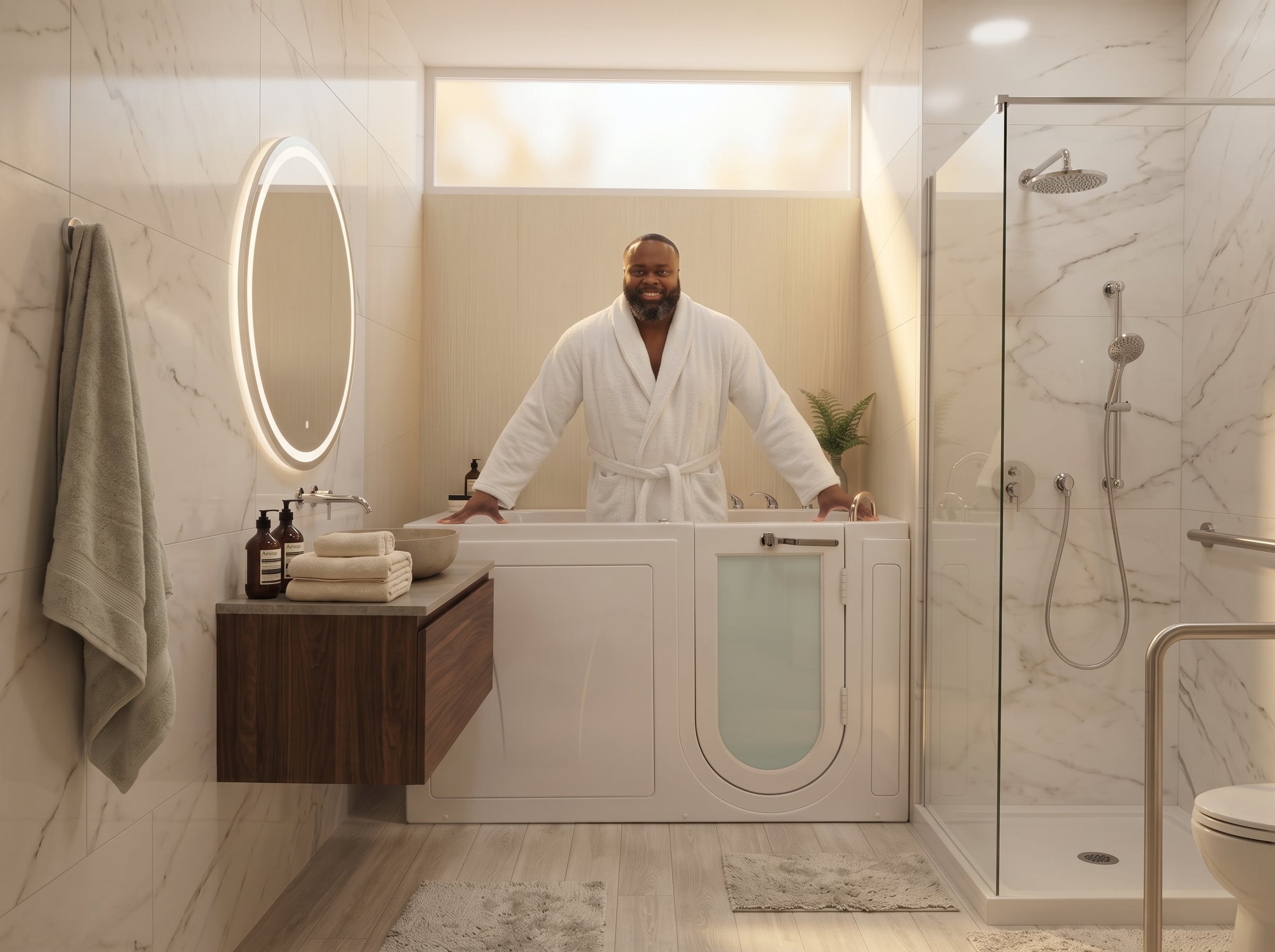
Improve Lighting: Enhance Visibility and Reduce Shadows
Adequate lighting is paramount for bathroom safety. A well-lit bathroom reduces shadows and improves visibility, making it easier to identify potential hazards and navigate the space confidently. Incorporate bright, evenly distributed overhead lighting, along with task lighting around the vanity mirror and within the shower area. Motion-sensor lights can be particularly beneficial for nighttime visits, providing instant illumination without fumbling for switches. Good lighting helps prevent missteps and ensures a clear view of your surroundings, contributing significantly to overall bathroom safety.
Clear Clutter: Keep Pathways Open and Safe
A cluttered bathroom is an accident waiting to happen. Loose rugs, overflowing hampers, and items stored on the floor can create tripping hazards. Regularly clear pathways, ensuring there’s ample space to move freely, especially around the toilet, sink, and shower/tub. Utilize smart storage solutions like wall-mounted shelves, cabinets, and drawers to keep essentials organized and off the floor. A tidy bathroom is a safer bathroom, reducing the chances of stumbling over unexpected obstacles. This simple practice is a vital component of effective Bathroom Safety Tips.
Accessible Shower and Tub Options: Eliminate Barriers
For ultimate bathroom safety, consider upgrading to accessible bathing options. Walk-In Tubs feature a low step-in threshold and a watertight door, eliminating the high wall of a traditional tub that can be difficult or dangerous to step over. Curbless or low-threshold Walk-In Showers offer a seamless entry, ideal for wheelchairs or walkers. These modifications drastically reduce the risk of falls and promote independence, allowing individuals to bathe comfortably and securely without assistance. They are a long-term investment in safety and peace of mind. You can find more information on these options in our article about Walk-In Tubs for Independent Living.
Adjust Water Temperature: Prevent Scalds
Scalding from excessively hot water is a serious bathroom hazard, particularly for children and older adults who may have thinner skin or reduced sensation. Install anti-scald devices on faucets and showerheads, or set your water heater’s thermostat to a maximum of 120°F (49°C). Always test the water temperature with your hand or a thermometer before stepping into the shower or tub. This simple precaution can prevent painful burns and ensure a safe bathing experience for everyone in the household, making it a critical element of Bathroom Safety Tips.
Why Bathroom Safety Tips Matter in Chicago, IL
For residents of Chicago, IL, and its surrounding vibrant communities like Naperville, Aurora, and Joliet, prioritizing bathroom safety is essential. The diverse housing styles, from historic homes to modern apartments, can present unique challenges. Ella’s Bubbles is committed to helping homeowners in the greater Chicago metropolitan area create safer bathrooms through expert advice and high-quality accessible solutions, including Walk-In Tubs and Walk-In Showers. Our team understands the local needs and is dedicated to enhancing the safety and independence of our community members. For more information on home safety, you can visit resources from the CDC’s Falls Prevention section.
Frequently Asked Questions
What are the most common bathroom hazards?
The most common bathroom hazards include slippery surfaces (wet floors, tubs, showers), high tub walls, lack of grab bars, poor lighting, and clutter. These can all contribute to slips, falls, and other injuries.
How can I make my shower safer for seniors?
To make a shower safer for seniors, consider installing a curbless or low-threshold walk-in shower, adding grab bars, using a non-slip mat or flooring, and installing a shower chair or bench. Good lighting is also crucial.
Are bath mats truly effective for preventing falls?
Yes, non-slip bath mats with good suction or rubberized backing can be very effective in preventing falls on wet surfaces both inside and outside the shower/tub. However, they must be properly secured and maintained.
What type of lighting is best for bathroom safety?
Bright, even, and glare-free lighting is best. This includes overhead ambient lighting, task lighting around the vanity and in the shower, and potentially motion-sensor lights for nighttime use. This helps reduce shadows and improve visibility.
Can a bathroom remodel improve safety?
Absolutely. A bathroom remodel focused on safety can incorporate features like walk-in tubs or showers, grab bars, non-slip flooring, accessible vanities, and improved lighting, all of which significantly enhance safety and accessibility.
Ready to implement these essential Bathroom Safety Tips in your Chicago, IL home? Contact Ella’s Bubbles today for a free in-home consultation and explore our range of accessible bathing solutions designed to create a safer, more comfortable living space. Get a Free Quote!
 Videos